Used Industrial Robots Blog — Automation & Robotics Guides

Industrial Robots for Metrology in Production

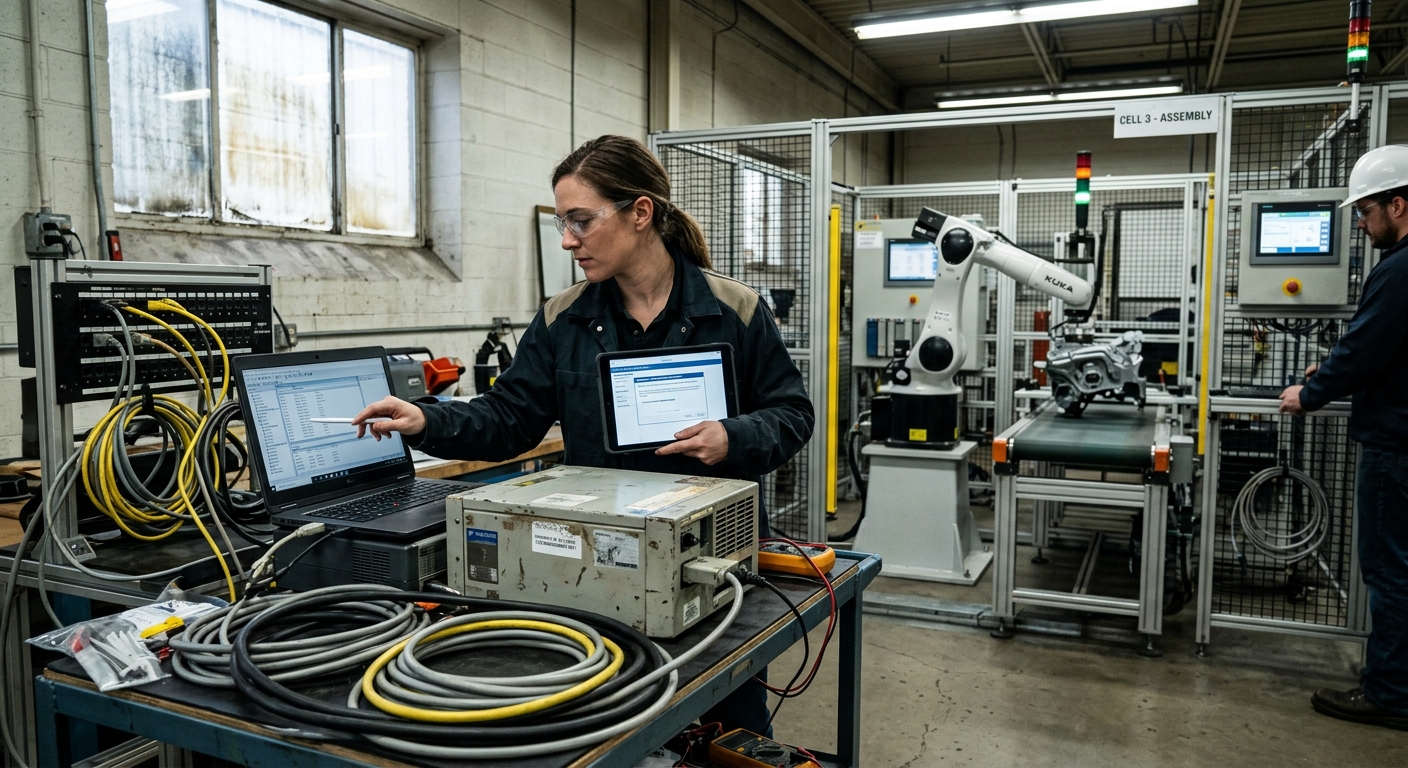
Industrial robots for metrology are beneficial when a plant requires more consistent data collection, frequent inspection, and better integration between production and quality. Are industrial robots for metrology worth it? Yes, industrial robots for metrology are worth it when companies need frequent, repeatable measurements directly in production to detect deviations early and improve process control. … Read more

Industrial Robot New Used or Refurbished: Best Choice for Manufacturing

An industrial robot new used or refurbished affects not only your budget but also production stability and maintenance requirements. Industrial automation is growing rapidly, and selecting the right industrial robot new used or refurbished is now a strategic decision. When to choose an industrial robot new used or refurbished (new option) A new robot is … Read more

Safe Robotic Cell Installation: Complete Checklist Before Setup

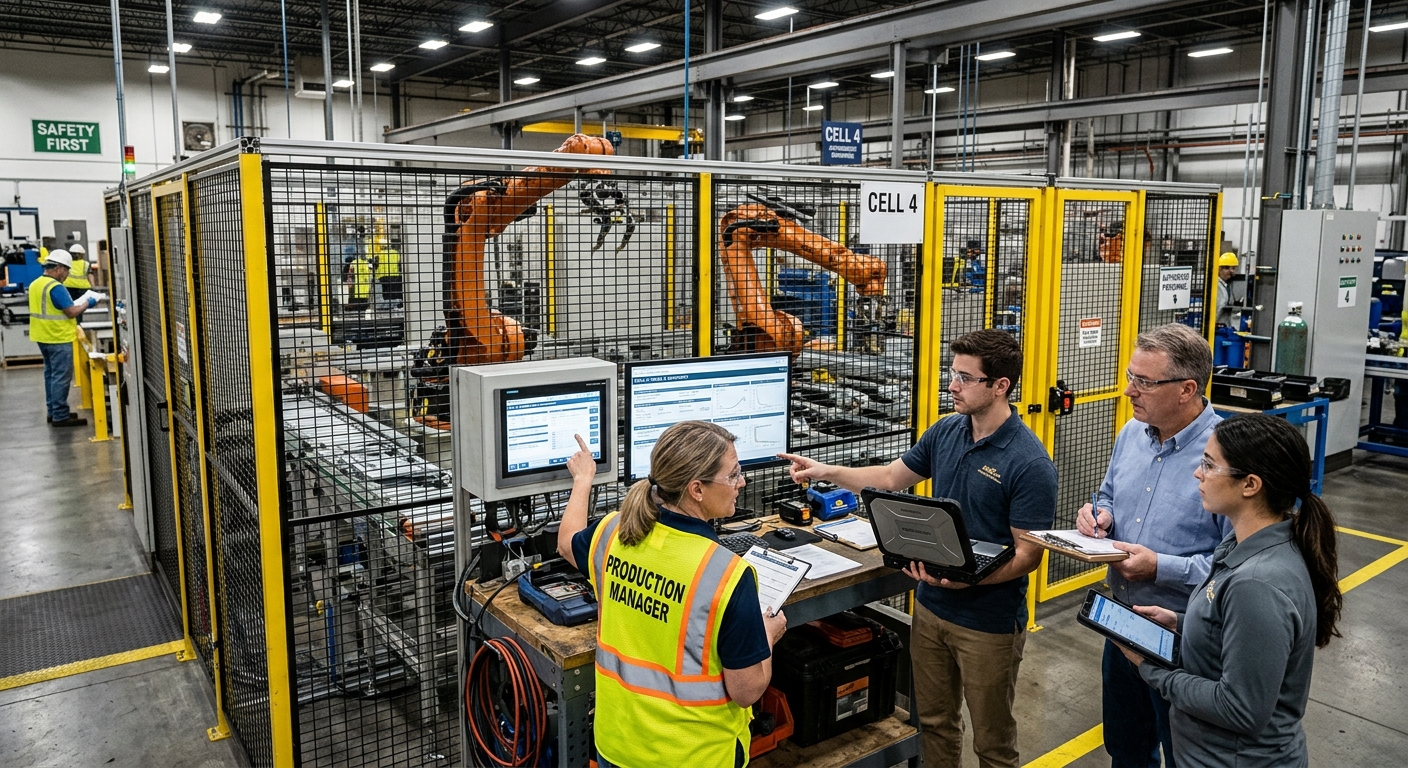
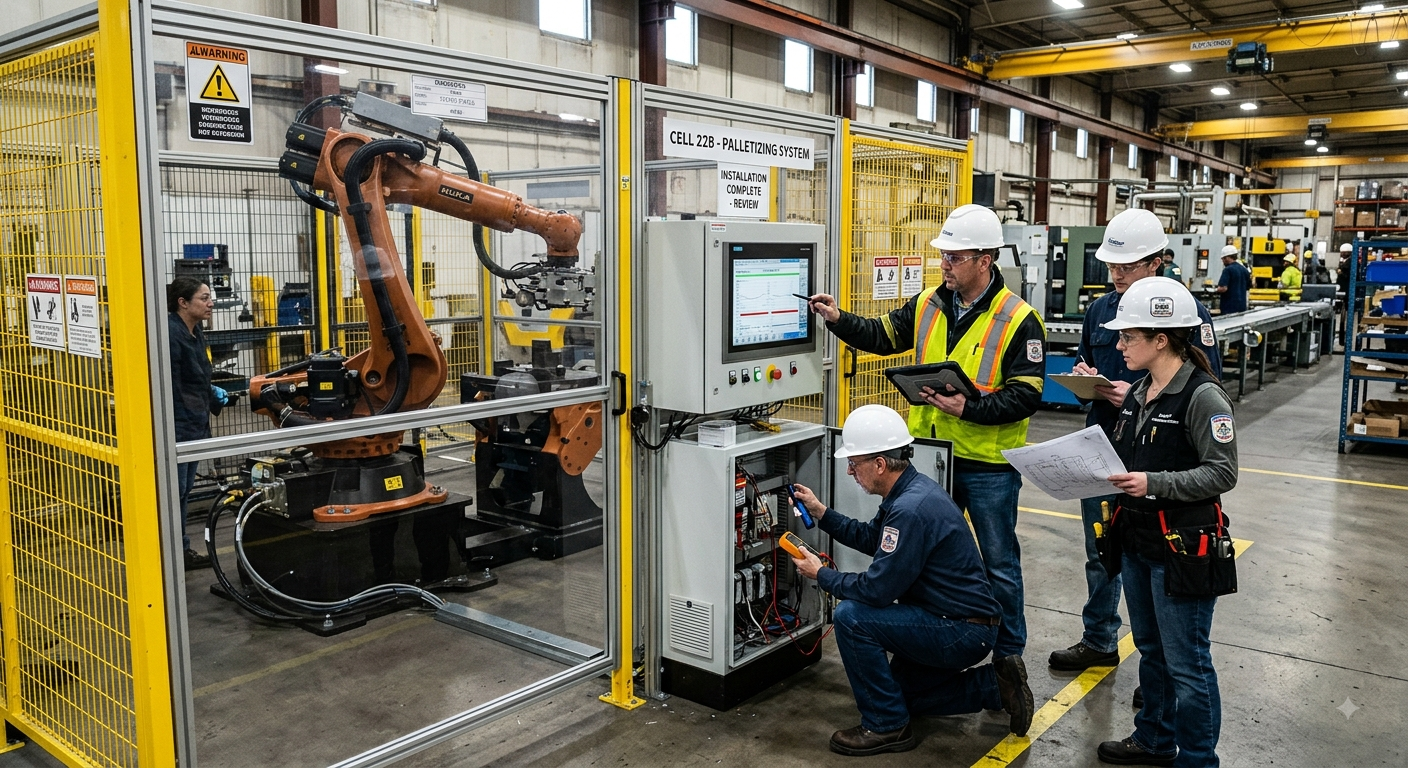
Safe robotic cell installation starts with proper planning. Before installing a robotic cell, you must review risk assessment, layout, robot reach, end-of-arm tooling, access points, guarding, safety sensors, emergency stops, maintenance modes, staff training, and final validation. A safe robotic cell installation does not depend only on the robot—it depends on the entire system, including … Read more

How Much Maintenance Does an Industrial Robot Need? Expectations vs Reality

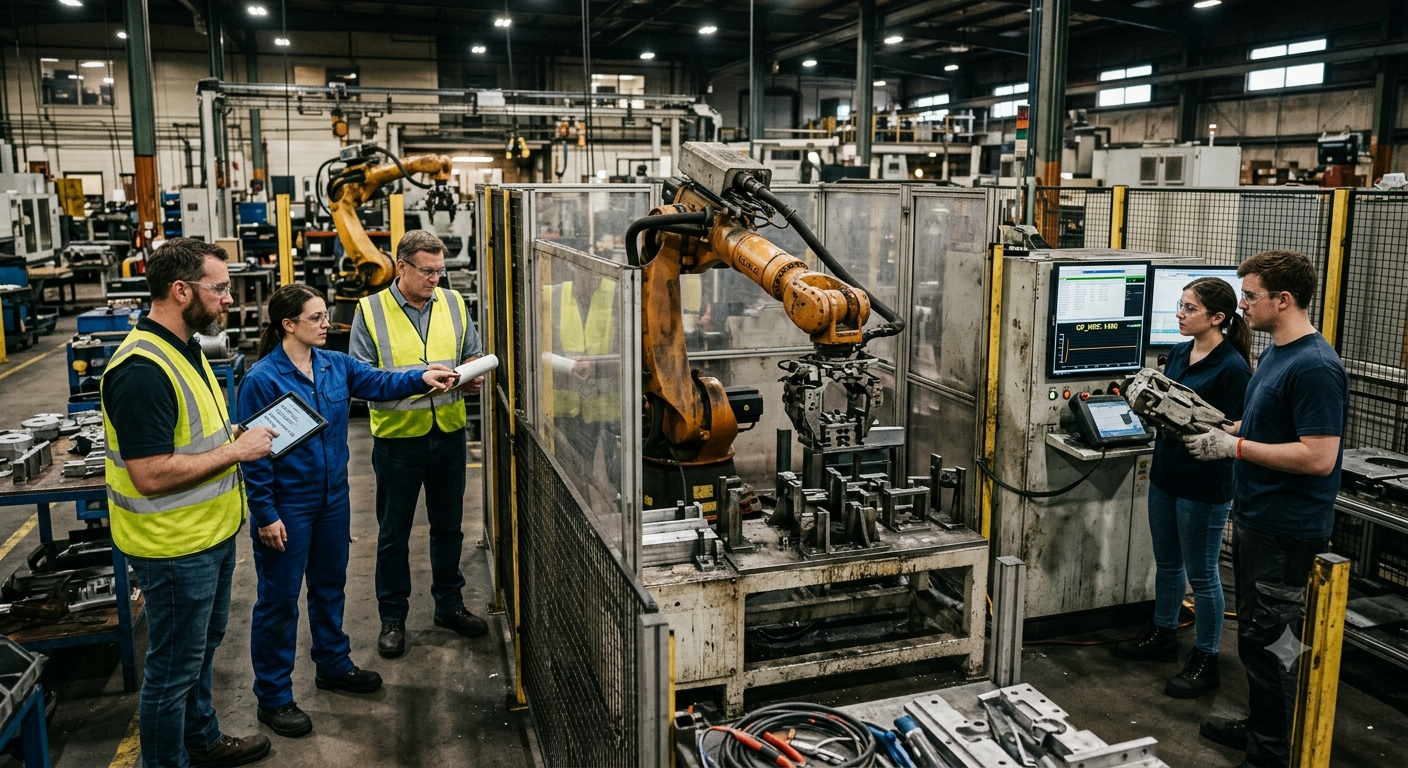
How much maintenance does an industrial robot need is one of the most common and practical questions companies ask after installing automation. After a robot is deployed, conversations quickly shift away from speed, precision, or ROI—and move toward a much more direct concern: “How much maintenance will this really need?” This question often comes from … Read more

Refurbished Industrial Robot Maintenance and Spare Parts Availability: Long-Term Comparison

Refurbished industrial robot maintenance and spare parts availability is one of the most critical questions companies face when evaluating automation investments. When a company considers integrating refurbished robots into production, the initial conversation often progresses quickly—but eventually focuses on a key concern: what happens in five or ten years? The initial cost savings may be … Read more

How to Choose the Right Gripper for an Industrial Robot: Complete EOAT Guide

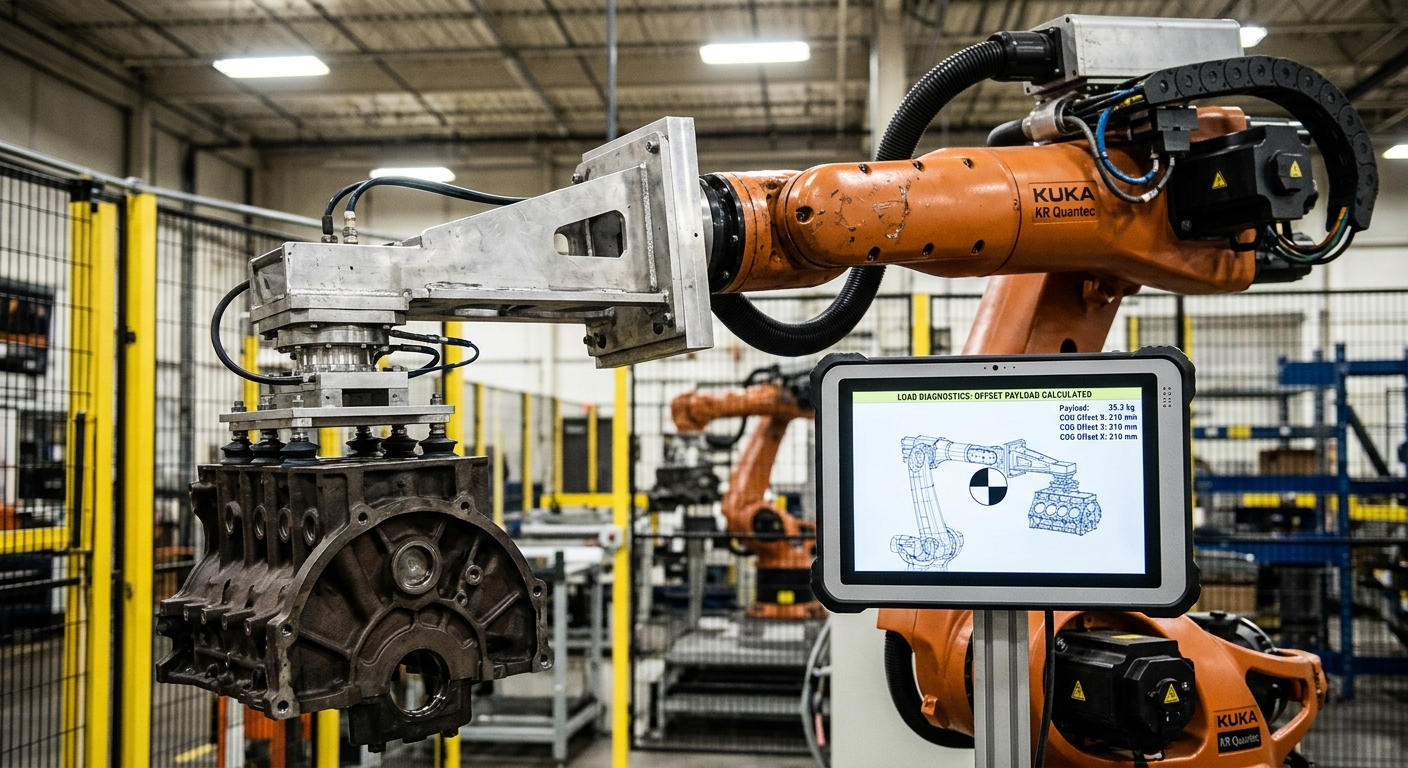
How to choose the right gripper for an industrial robot is a critical question in industrial automation. The correct selection directly affects productivity, safety, cycle time, quality, and return on investment. Choosing a gripper or end‑of‑arm tool (EOAT) requires analyzing the application, the part, weight, geometry, surface, environment, cycle time, precision, and how the robot … Read more

Small Business Automation: How to Start Without a Large Initial Investment

Small business automation allows companies to improve productivity and reduce manual work without requiring a large initial investment. A small business can begin automating operations without a large initial investment by focusing on simple, repetitive, and measurable processes; choosing modular solutions; considering collaborative robots, refurbished industrial robots, or inspected second‑hand equipment; and calculating return on … Read more

Collaborative Robot vs Industrial Robot: Which One Makes Sense?

Choosing between a collaborative robot (cobot) and a traditional industrial robot is one of the most common—and most misunderstood—decisions in modern automation. A cobot is typically the right choice when the application requires flexibility, close interaction with operators, limited available space, simple programming, and moderate payloads. A traditional industrial robot is usually the better option … Read more

Industrial Robots in Pharma: Reducing Errors Safely

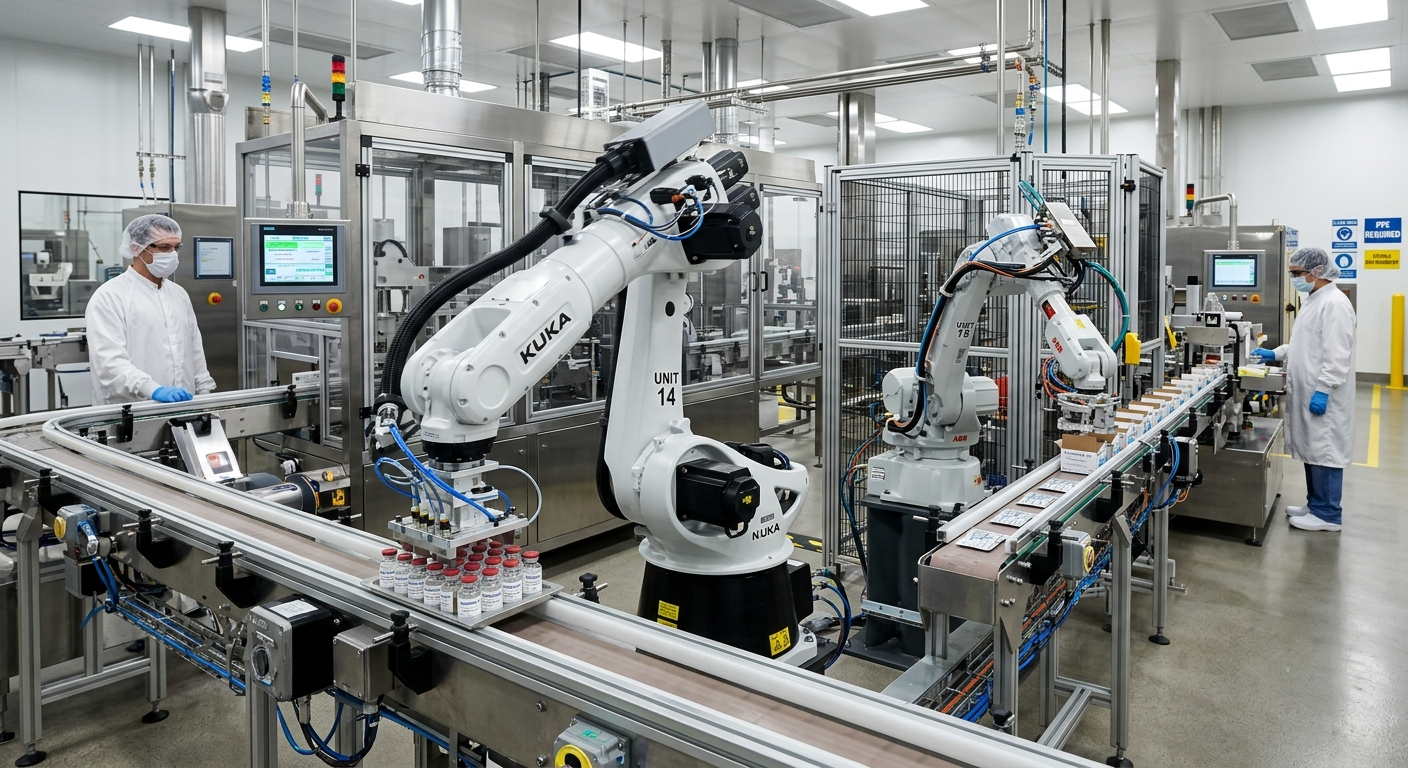
Industrial robots are increasingly central to pharmaceutical manufacturing strategies focused on quality, compliance, and operational resilience. Unlike other industries where automation is mainly driven by speed or labor costs, pharma automation is primarily about error reduction, repeatability, traceability, and risk control. When processes require consistent execution, minimal human contact, and complete documentation, robotic systems provide … Read more

How Robotic Milling Works and When It Beats Manual Processes

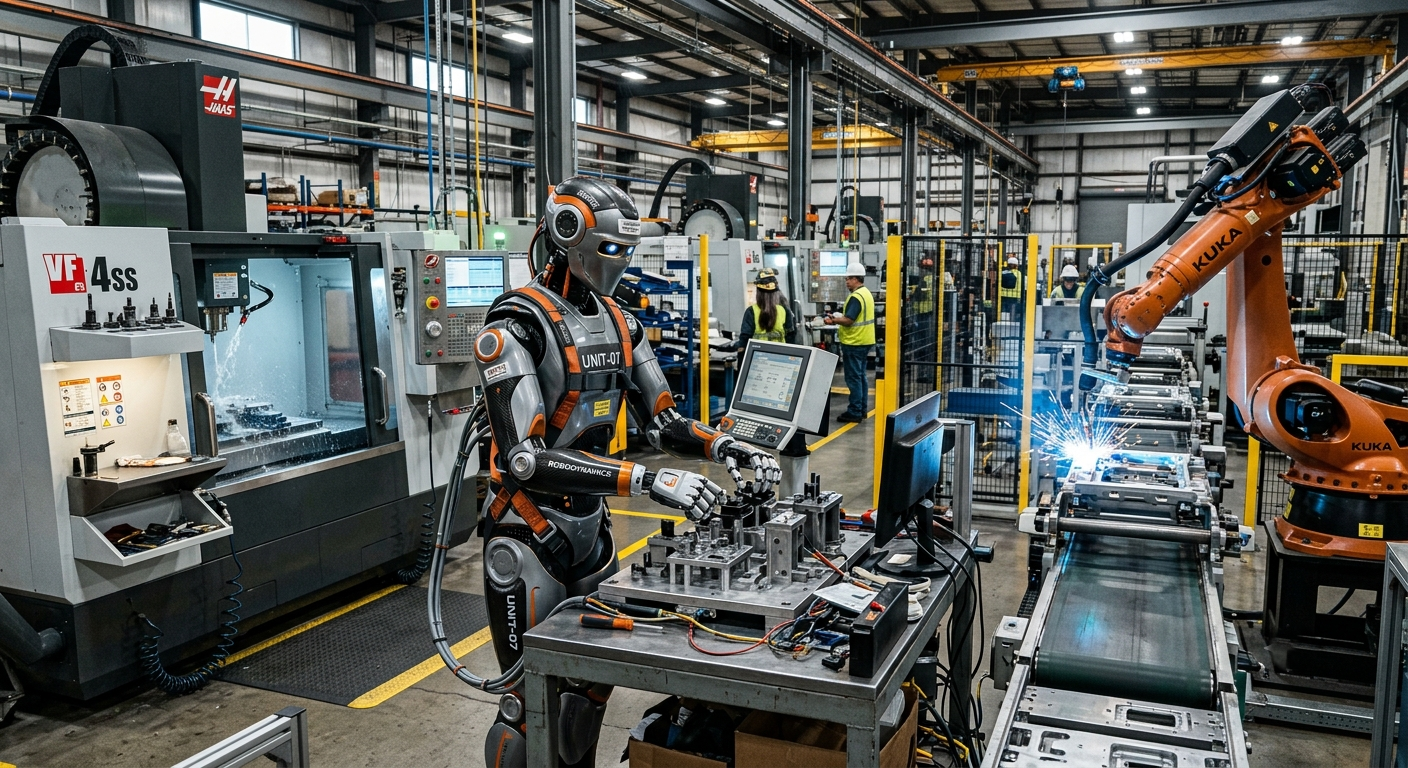
Robotic milling has become an increasingly discussed topic in industrial manufacturing, particularly in sectors where part size, geometry, and variability make traditional manual processes difficult to control. While robotic milling is not a universal replacement for machine tools, it can be a highly effective alternative when companies need flexibility, reach, and repeatability that manual operations … Read more